
If you’ve been diagnosed with Parkinson’s disease, you may have been told that it’s a progressive condition with limited treatment options. Maybe you’re experiencing worsening tremors, stiffness, fatigue, or brain fog, and you feel like your symptoms are out of your control. But what if I told you that there are actionable steps you can take to slow the progression of your symptoms and improve your quality of life?
As a functional medicine doctor specializing in neurological and complex conditions, I have worked with many patients like you who are looking for real answers and root-cause healing strategies beyond conventional medication. One of the most critical yet overlooked factors in Parkinson’s disease is oxidative stress.
Oxidative stress is a key driver of cellular damage in Parkinson’s, but targeted antioxidant therapy and lifestyle interventions can help counteract it. Understanding the role of oxidative stress, its key contributors, and how to effectively combat it can empower you to take back control of your health.
What is Oxidative Stress, and Why Does it Matter in Parkinson’s?
At its core, oxidative stress is an imbalance between free radicals and antioxidants in the body. Free radicals are unstable molecules that can cause cellular damage when they accumulate unchecked. Your brain is especially vulnerable to oxidative damage, as it requires a high amount of oxygen to function, making it a prime target for free radicals.
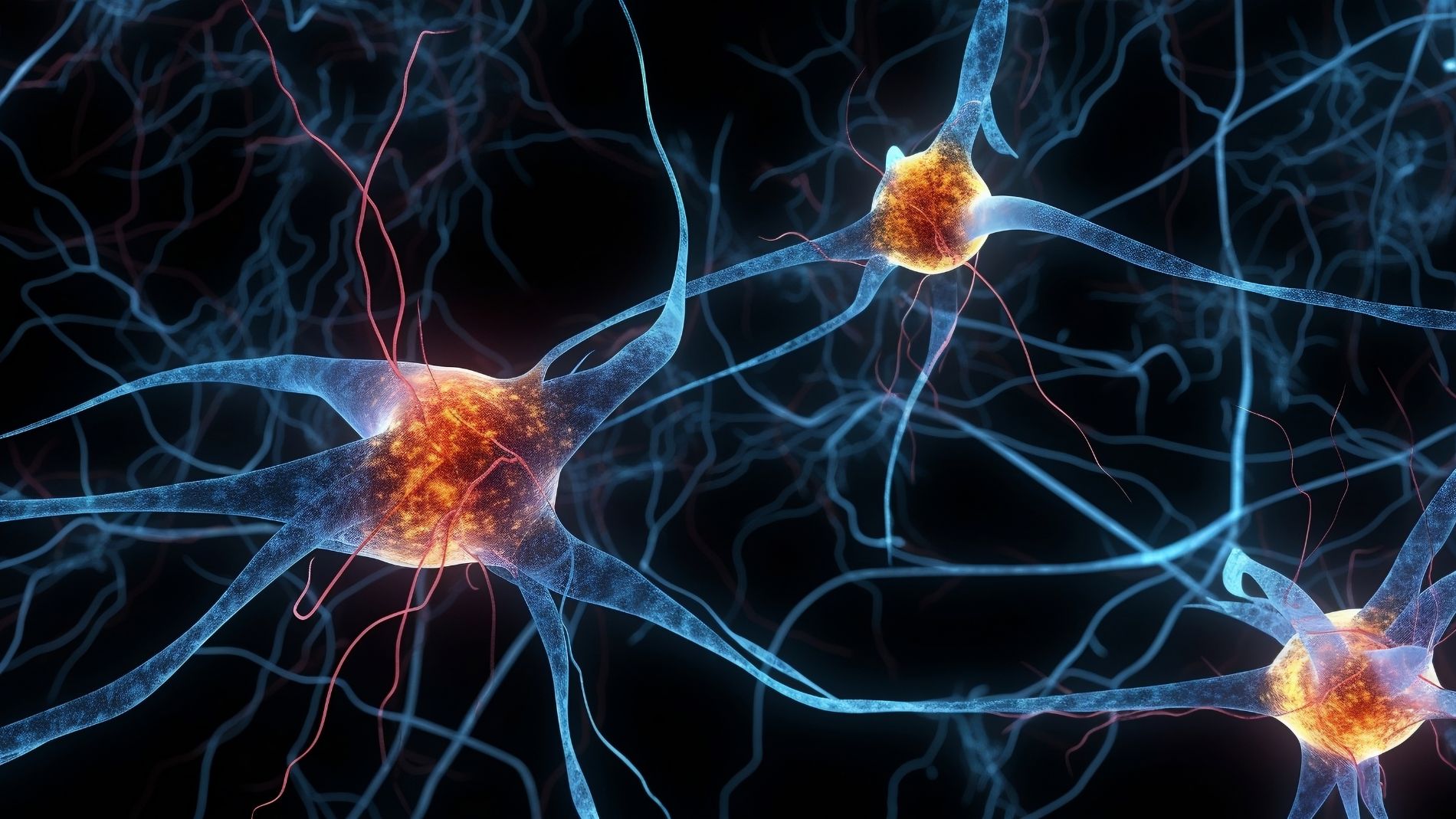
In Parkinson’s disease, oxidative stress plays a major role in the degeneration of dopaminergic neurons, the brain cells responsible for producing dopamine. When these neurons are damaged, dopamine levels drop, leading to the hallmark symptoms of Parkinson’s: tremors, rigidity, slowed movements, and cognitive changes.
Studies show that patients with Parkinson’s disease have significantly higher levels of oxidative stress markers in their brains compared to healthy individuals. This means that reducing oxidative stress isn’t just a good idea it’s essential for supporting brain function and systemic resilience.
What’s Fueling Oxidative Stress in Parkinson’s?
If we want to effectively manage oxidative stress, we need to identify and address the biggest contributors. Here are some of the most common factors driving oxidative stress in Parkinson’s:
1. Environmental Toxins & Heavy Metals
- Pesticides and herbicides: Research has linked certain pesticides, like paraquat and rotenone, to an increased risk of Parkinson’s by directly triggering oxidative damage in the brain.
- Air pollution and industrial chemicals: Long-term exposure to pollutants can impair mitochondrial function, leading to excessive free radical production.
- Heavy metals (lead, mercury, arsenic): These neurotoxins disrupt antioxidant systems and contribute to oxidative stress in the nervous system.
Supporting detox pathways through targeted guidance and functional medicine testing for heavy metal exposure can help reduce this burden.
2. Poor Diet & Nutritional Deficiencies
- Processed foods and trans fats: These contribute to chronic inflammation, which worsens oxidative stress.
- Excess sugar and refined carbs: High glucose levels increase oxidative damage and accelerate neurodegeneration.
- Low antioxidant intake: A diet lacking in vitamin C, vitamin E, polyphenols, and glutathione deprives your body of its natural defenses against oxidative stress.
A nutrient-dense diet rich in antioxidants can help combat oxidative stress naturally. However, it’s important to work with a functional medicine practitioner because even “healthy” foods may not be right for your body depending on what’s going on at a cellular level. With functional medicine labs, we can provide personalized dietary recommendations.
3. Mitochondrial Dysfunction
Mitochondria are the powerhouses of your cells, responsible for producing energy. But when oxidative stress overwhelms them, they become damaged, leading to less energy production and more free radicals a vicious cycle in neurodegeneration.
4. Chronic Inflammation
Inflammation and oxidative stress go hand in hand. When your body is in a chronic state of inflammation, whether from an unhealthy gut, food sensitivities, or hidden infections, it feeds oxidative stress and accelerates neurodegeneration. Advanced testing and anti-inflammatory nutrition can help reduce systemic inflammation and lower oxidative damage in the brain.
Understanding the Scope: What a Functional Evaluation Can and Cannot Do
Medical Disclaimer: It is important to be transparent: functional medicine evaluations and antioxidant protocols do not cure or reverse Parkinson’s disease, nor do they replace primary neurological care or conventional dopaminergic therapies (such as levodopa). Progressive neurodegenerative conditions require comprehensive, coordinated management with your neurologist.
Instead, the goal of a targeted functional investigation is to identify and address modifiable metabolic, oxidative, and environmental factors that contribute to cellular stress. By supporting mitochondrial health and antioxidant capacity, our objective is to help enhance overall quality of life while you navigate conventional medical care.
Functional Medicine Strategies to Reduce Oxidative Stress
Now that we’ve covered what contributes to oxidative stress, let’s talk about how to actively reduce it and protect your brain.
1. Targeted Antioxidant Therapy
Certain antioxidants have been shown to directly counteract oxidative stress in Parkinson’s:
- Glutathione: The body’s master antioxidant, essential for detoxification and reducing oxidative damage.
- Coenzyme Q10 (CoQ10): Supports mitochondrial function and has been studied for its role in cellular energy.
- Resveratrol & Polyphenols: Found in plants, polyphenols activate pathways that reduce oxidative stress.
- Vitamin C & E: Work together to neutralize free radicals and protect neuronal membranes.
Note: Please work with a functional medicine or naturopathic doctor to make sure these interventions are appropriate for your specific biochemistry. You don’t want to take supplements blindly, as they have the potential to interact with medications or require precise dosing.
2. Reduce Toxin Exposure
- Filter your water to remove heavy metals and contaminants.
- Choose organic produce to reduce pesticide exposure.
- Use natural cleaning and personal care products to avoid harmful chemicals.
- Test for heavy metal toxicity and consider targeted support if needed.
3. Optimize Gut Health to Reduce Neuroinflammation
- Support a healthy microbiome with targeted prebiotics and probiotics.
- Identify food sensitivities that could be driving systemic inflammation.
- Incorporate gut-healing nutrients to restore mucosal integrity.
4. Lifestyle Strategies for Long-Term Brain Protection
- Exercise regularly: Movement reduces oxidative stress and supports metabolic health.
- Prioritize quality sleep: Sleep is when your brain detoxifies and clears metabolic waste.
- Manage stress effectively: Chronic stress depletes antioxidants, so incorporate relaxation techniques like breathwork or meditation.
Take the Next Step in Your Parkinson’s Care
If you’re living with Parkinson’s disease and want to better understand the factors that may be affecting your overall health, Dr. Jamie Ahn, ND, takes a personalized approach that can complement your existing neurological care.
If you’re considering a naturopathic doctor or functional medicine doctor in Norwalk, CT, you can visit GoodNews Naturopathic Clinic on Google to learn more about the clinic, read patient reviews, and find our location.
Schedule your consultation with Dr. Jamie Ahn, ND to discuss your concerns.
GoodNews Naturopathic Clinic
83 East Ave, Suite 209, Norwalk, CT 06851
Phone: 203-450-6463
