
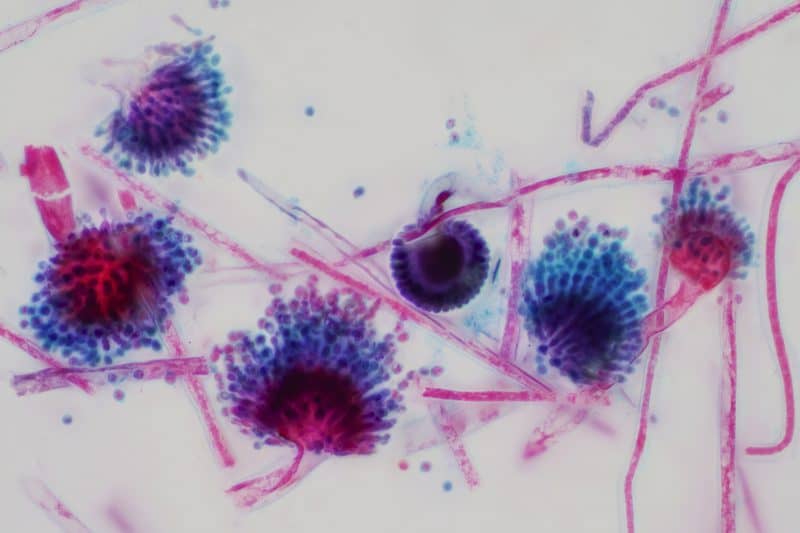
Mold is a fungus that thrives in moist, warm, and humid environments. It can grow indoors and outdoors, often in damp areas such as basements, bathrooms, and kitchens. Mold releases microscopic spores into the air, which can be inhaled or come into contact with the skin, leading to potential health issues.
Mycotoxins are toxic compounds naturally produced by certain types of molds. These toxins can contaminate food supplies, water-damaged buildings, and our air. Exposure to mycotoxins, especially over an extended period, can negatively impact human health.
Common Symptoms of Mold and Mycotoxin Exposure
Exposure to mold and mycotoxins can cause a range of symptoms that affect multiple body systems. Here’s a detailed list of symptoms you may experience:
Respiratory Symptoms:
- Chronic coughing or sneezing
- Shortness of breath
- Wheezing or asthma-like symptoms
- Sinus congestion or a runny nose
- Sore throat or irritation, Frequent respiratory infections
Neurological and Cognitive Symptoms:
- Brain fog or difficulty concentrating
- Memory problems
- Dizziness or vertigo
- Headaches or migraines
- Tingling or numbness in extremities
- Mood changes such as anxiety, irritability, or depression
Digestive and Gastrointestinal Symptoms:
- Nausea or vomiting, Loss of appetite or food sensitivities
- Abdominal pain or cramping
- Diarrhea or constipation
Skin Symptoms:
- Rashes or hives
- Itching or irritation
- Dry, scaly, or peeling skin
Immune System and Inflammatory Symptoms:
- Fatigue or chronic tiredness
- Joint pain or stiffness
- Muscle aches and cramps
- Swollen lymph nodes
Other General Symptoms:
- Sensitivity to light, sounds, or smells
- Night sweats
- Sleep disturbances
- Unexplained weight changes
Common Molds and Their Associated Mycotoxins
Type of Mold |
Common Mycotoxins |
Possible Sources |
|
Aspergillus |
Aflatoxins, Ochratoxins |
Grains, nuts, seeds, corn, spices, dried fruits, air, soil, and buildings with water damage |
|
Penicillium |
Ochratoxins, Citrinin, Patulin |
Water-damaged buildings, soil, grains, fruits, and spices |
|
Stachybotrys(“Black Mold”) |
Trichothecenes |
Wet or water-damaged materials like wallpaper, carpet, drywall, and wood |
|
Cladosporium |
No known major mycotoxins, but allergenic |
Air, textiles, carpets, wood, wallpaper, and HVAC systems |
|
Fusarium |
Trichothecenes, Fumonisins, Zearalenone |
Grains, corn, soil, water-damaged buildings |
|
Alternaria |
Tenuazonic acid, Alternariol |
Air, water, damp surfaces, fruits, vegetables, textiles, and wallpaper |
|
Chaetomium |
Chaetoglobosins |
Water-damaged wood, drywall, and paper products |
|
Acremonium |
Gliotoxin |
HVAC systems, humidifiers, cooling coils, insulation, and carpet |
Sources of Mold and Mycotoxin Exposure
Mold and mycotoxins can be encountered through various sources, both in indoor environments and through contaminated food. Knowing these sources can help you reduce your exposure.
- Indoor Environments
- Water-damaged buildings: Mold grows quickly on wet or damp materials such as drywall, carpeting, wood, and insulation. Leaking roofs, broken pipes, and flooding are common culprits.
- Bathrooms and kitchens: Moisture from showers, sinks, and dishwashers creates ideal conditions for mold growth on grout, tile, and walls.
- Basements and crawl spaces: Poor ventilation and high humidity make these areas mold-prone.
- HVAC systems: Mold can grow inside air conditioning units, humidifiers, and ductwork, releasing spores throughout a home or building.
- Wood and Furniture: Wood materials that stay damp, especially untreated wood, are prime spots for mold.
- Carpet and Rugs: Mold thrives in damp, uncleaned carpets and rugs, especially those exposed to water damage.
- Household items: Upholstered furniture, curtains, and mattresses can become mold-contaminated, especially if exposed to moisture.
- Food Sources of Mycotoxins
Certain foods are more likely to be contaminated with mycotoxins, particularly those stored in warm, humid conditions. Mycotoxins are often produced by molds like Aspergillus, Fusarium, and Penicillium, which grow on crops before and after harvest.
- Grains: Wheat, rice, oats, barley, and rye can be contaminated with mycotoxins such as aflatoxins and ochratoxins.
- Nuts: Peanuts, almonds, pistachios, and walnuts are prone to mold contamination, especially if improperly stored.
- Seeds: Sunflower seeds, flaxseeds, and chia seeds can also carry mycotoxins.
- Corn: Corn is one of the most common carriers of mycotoxins, such as Fumonisins(FUM) and Aflatoxins, found in products like cornmeal, corn flour, and popcorn.
- Coffee and cocoa: Improper storage of coffee beans and cocoa can lead to mold growth and mycotoxin production.
- Dried fruits: Raisins, figs, and other dried fruits are susceptible to mold growth if not properly dried and stored.
- Spices: Herbs and spices like paprika, black pepper, and turmeric may carry mold spores if stored in humid conditions.
How to Reduce Mold and Mycotoxin Exposure
While it’s impossible to avoid mold and mycotoxins entirely, you can significantly reduce your exposure by following these steps:
- Improve Indoor Air Quality
- Control moisture and humidity: Use a dehumidifier to keep indoor humidity below 50%.
- Fix leaks promptly: Repair leaking pipes, windows, and roofs to prevent water damage.
- Increase ventilation: Use exhaust fans in bathrooms and kitchens, and ensure proper air circulation throughout your home.
- Clean regularly: Wipe down moisture-prone surfaces, such as bathroom tiles, and clean air conditioning units regularly.
- Test for mold: If you suspect mold growth, consider professional mold testing and remediation.
- Store Food Safely
- Store grains, nuts, and seeds properly: Keep them in airtight containers in cool, dry places to reduce the risk of mold growth.
- Buy fresh, high-quality food: Choose fresh products whenever possible and avoid visibly moldy or damaged food items.
- Inspect food packaging: Look for signs of mold contamination, such as discoloration or an unusual odor.
- Diet and Supplementation
- Diversify your diet: Consuming a variety of foods reduces your risk of exposure to a high concentration of any one type of mycotoxin.
- Use mycotoxin binders: Natural binders like activated charcoal, bentonite clay, and chlorella may help reduce the absorption of mycotoxins in the digestive tract.
Final Takeaways
- Mold and mycotoxins are more common than you might think. They’re found in homes, workplaces, and the food supply.
- Symptoms of exposure can affect the respiratory, nervous, digestive, and immune systems.
- Reducing exposure involves controlling moisture, ventilating living spaces, storing food safely, and eating a diverse diet.
- If you’re concerned about mold or mycotoxin exposure, seek professional medical guidance. Being proactive and informed can reduce the health risks associated with mold and mycotoxins.
